
By Christopher Turner
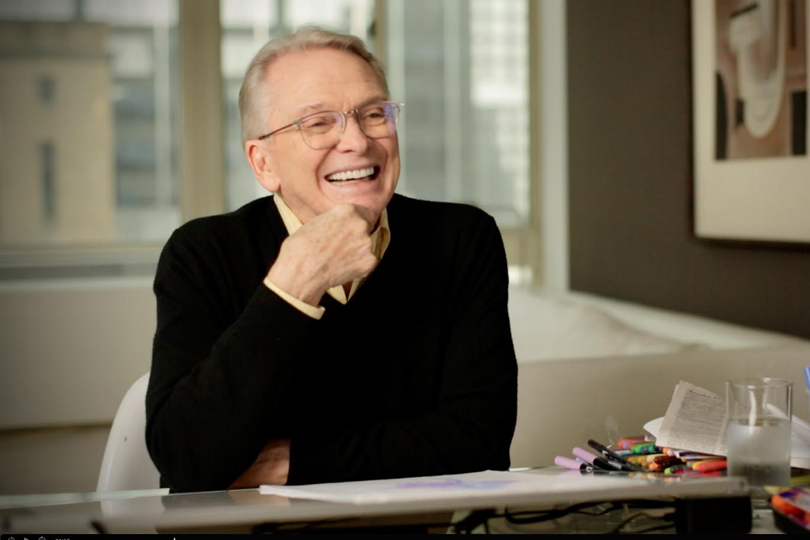
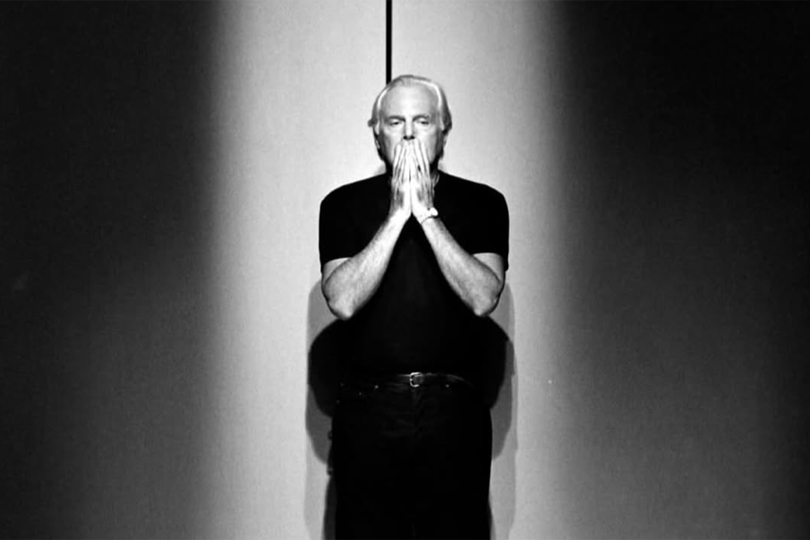
Giorgio Armani, the iconic Italian fashion designer who throughout his career became one of the most recognizable names and faces in the global fashion industry, died on Thursday, September 4, 2025. He was 91 years old.
“With infinite sorrow, the Armani Group announces the passing of its creator, founder, and tireless driving force: Giorgio Armani,” the fashion house said in a statement.
Armani died at home, according to the Armani Group. A funeral chamber will be set up on Saturday, September 7 and Sunday, September, 8 in Milan, the company said, followed by a private funeral at an unspecified date.
Armani had been unwell for some time and had missed Milan Fashion Week in June 2025 during the previews of the spring/summer 2026 menswear collections to recover from an undisclosed condition. It was the first time in his entire career that he had missed one of his runway shows.
He was reportedly planning a major event to celebrate 50 years of his signature Giorgio Armani fashion house during Milan Fashion Week later this month.
Giorgio Armani was born on July 11, 1934 in the northern Italian town of Piacenza to Ugo Armani, an accountant for a transport company, and his wife Maria Raimondi. He lived in Piacenza, with his older brother Sergio and younger sister Rosanna, and attended secondary school at the Liceo Scientifico Leonardo da Vinci in Milan, before studying medicine, and eventually founding his own fashion house. His label, founded in 1975 with his business partner Sergio Galeotti, quickly expanded from ready-to-wear to haute couture, fragrance, home décor, and even hospitality. But more than a brand, Armani’s vision crystallized a philosophy: that clothing should empower rather than overpower, that beauty lives in purity of line, and that the ultimate luxury is effortlessness.
In celebration of the life and career of Giorgio Armani, here are ten things that you might not have known about the iconic Italian fashion designer.
1. Armani studied medicine before fashion
Before sketching suits, Armani studied medicine at the University of Milan, aiming to become a doctor, reportedly inspired after reading A. J. Cronin’s The Citadel. He worked in a hospital in Piacenza but eventually realized the medical field wasn’t his true calling. The attention to anatomy and the human form, however, would later influence his precision tailoring.
2. He served in the military
In 1953, after attending for three years, he left the University of Milan and joined the army. Due to his medical educational background, he was assigned to the Military Hospital in Verona, where he completed his compulsory military service. It was during this time, while stationed in Verona, that he began moonlighting as a window dresser at La Rinascente, Milan’s famed department store—a humble start that would change the trajectory of his life.
3. His big break was designing for Nino Cerruti
Armani first gained recognition in the fashion industry while designing menswear for Nino Cerruti in the mid-1960s. His innovative take on tailoring—softer, more fluid, more comfortable—challenged the rigid structures of postwar men’s fashion. This would become his lifelong signature.
4. Armani changed Hollywood forever
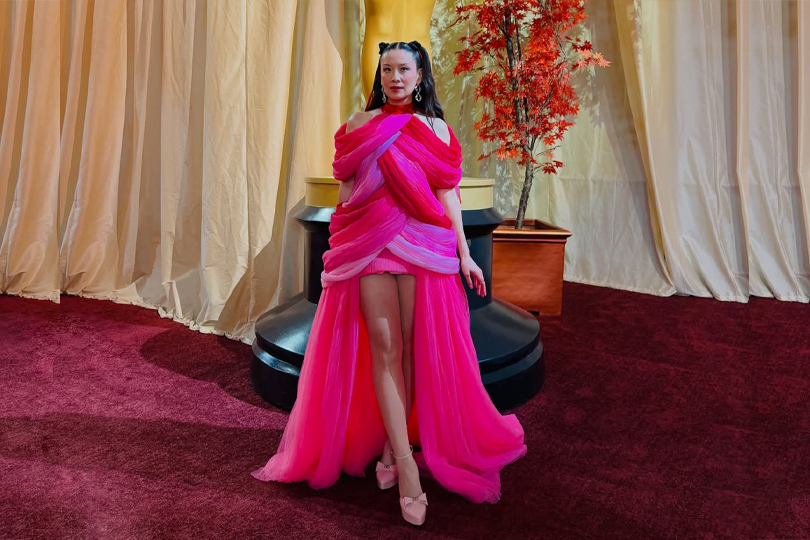
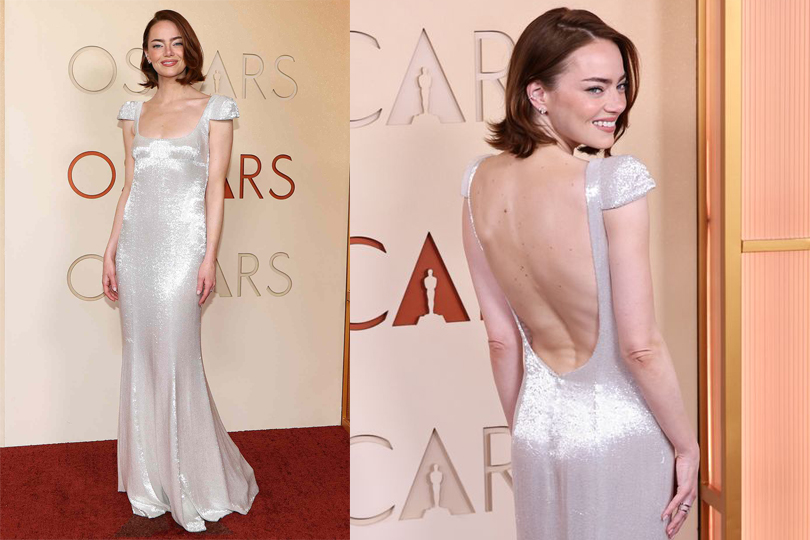
In 1980, Richard Gere wore Armani throughout the crime drama film American Gigolo, which was written and directed by Paul Schrader, and starred Richard Gere and Lauren Hutton. Those sleek, unstructured suits didn’t just elevate Gere—they ultimately redefined men’s style in Hollywood. Armani soon became the designer for film, costuming everything from Miami Vice to The Untouchables. Interestingly, in more recent years he dressed more Academy Award attendees than any other designer.
5. He pioneered the “power suit” for women
When women were fighting for equality in boardrooms during the 1980s, Armani gave them armour. Armani’s power suits—broad-shouldered, sharply tailored, yet fluid—became instantly synonymous with female empowerment. Fashion icons like Diane Keaton, Glenn Close, and Michelle Pfeiffer wore them both on-screen and off, embodying a new vision of working women.
6. He was devastated by the loss of his partner
In 1985, Armani’s beloved partner and co-founder, Sergio Galeotti, died of AIDS-related complications at just 40 years old. Armani has often spoken of Galeotti as the driving force behind his success, the one who believed in his genius and helped build the Armani empire. Armani’s commitment to independence and control over his business is, in many ways, a tribute to Galeotti’s memory. He often described his inability to prevent Galeotti’s death as the greatest failure of his career.
Reflecting in 2015 to GQ, Armani said of Geleotti, “when I travel, I bring his photograph. There is something that remains. His spirit lingers. For sure. He lives on. I see Sergio everywhere, and I am sure he sees me. And I have hope that whatever I have done, he knows about it.”
7. Armani was the first designer to ban models under 18
Long before industry standards shifted, Armani took a strong stance on health and age in fashion. In 2010, he publicly announced he would no longer use models under 18, advocating for more responsible casting in an industry notorious for exploitation.
8. He created the first luxury hotel brand by a designer
While Versace may have had his Palazzo in Miami and Ferragamo his Florentine hotels, Armani was the first designer to launch a full luxury hospitality line. The Armani Hotels in Dubai and Milan combined his minimalist design philosophy with five-star service—an extension of his belief that lifestyle, not just fashion, is luxury.
9. He’s was one of the wealthiest designers in the world
Unlike most luxury houses, which are owned by conglomerates like LVMH or Kering, Armani fiercely maintained independence. That autonomy made him one of the richest self-made fashion designers in history, with a fortune estimated in the billions. [Today it is estimated that his company turned over some 2.3 billion euros ($3.7 billion CAD) a year]
10. He designed every collection himself
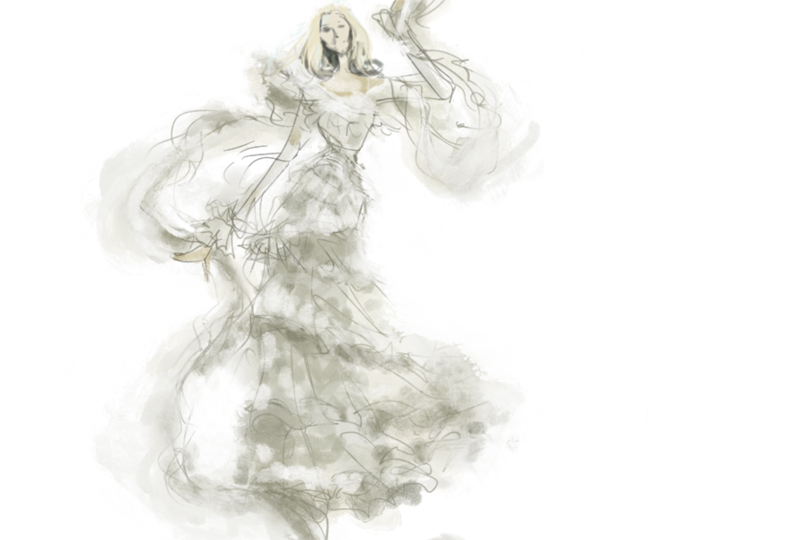
Until recently, Armani personally oversaw every sketch, every fitting, every decision across his brand empire. Unlike many contemporaries who delegate to creative directors, Armani’s fingerprints remained on everything from haute couture gowns to furniture lines. His work ethic was legendary—proof that for him, fashion was less a career than a calling.
RELATED:
- 10 things you didn’t know about French fashion designer Manfred Thierry Mugler (1948 – 2022)
- 10 things you didn’t know about fashion editor and husband to Tom Ford, Richard Buckley (1948 – 2021)
- 15 things you didn’t know about fashion icon André Leon Talley (1948 – 2022)
- THE STORY OF: Fashion legend Gianni Versace (1946 – 1997)
- THE STORY OF: Celebrity makeup artist Kevyn Aucoin (1962 – 2002)
- THE STORY OF: British supermodel Stella Tennant (1970 – 2020)
Share
Trending
 Here’s Every Song From ‘Love Story: John F. Kennedy Jr. & Carolyn Bessette’ [UPDATED]
  THE STORY OF: Carolyn Bessette-Kennedy’s Narciso Rodriguez Wedding Gown
  Alexander McQueen’s 10 Most Iconic Runway Shows
  10 Memorable Images Of Supermodel Gia Carangi (1960–1986)
  Here’s Every Song From Season 1 Of ‘Heated Rivalry’ [UPDATED]