


By Adriana Ermter
So much to talk about: learning what retinol actually does, debating ingestible collagen in the group chat, and collectively agreeing that the latest TikTok-saturated, monochromatic oversized sweatsuit is the new “I didn’t try but I still look good” uniform (usually over girl dinner).
And yet, mention perimenopause, and suddenly everyone’s checking their phone.
Which feels more than a little played out. Because perimenopause doesn’t exactly wait for an invitation. It shows up unannounced, like a plot twist no one briefed us on so we’re left piecing it together in real time. And for many women, it doesn’t start with hot flashes. It starts with something quieter.
Like bladder leaks.
They’re common. They’re normal. And they’re one of those perimenopause realities that no one really warned you about, leaving you suddenly searching your symptoms on ChatGPT and wondering when this became part of your life. Here’s what to know and start talking about now.
1. It rarely announces itself
It usually starts quietly. A sneeze you didn’t think twice about. A belly laugh that has your mascara running down your cheeks. A workout that suddenly feels…less predictable. Then the question: is this new, or just new to me? Short answer: bladder leaks are common. The longer answer: no one really prepared us for how common they are.
2. It shows up in normal moments
Bladder leaks aren’t tied to one obvious trigger or dramatic timing. They might happen when you’re on a long-haul red-eye flight to Europe, during a doubles pickleball match, putting your kids to bed or just going about your day. The point is, they’re not catastrophic. They’re ordinary and part of everyday life, particularly during perimenopause. Because your body’s shifting hormones can change how your bladder and pelvic muscles respond, things you barely noticed before will stand out more now. And this can make minor leaks feel more noticeable than they used to and maybe, even, a little awkward.
3. The unpredictability is the hardest part
It’s not constant, which is almost worse. Bladder leaks don’t always follow a pattern, so you forget about it…until it reminds you. That inconsistency makes it difficult to anticipate, and easy to feel frustrated or slightly on edge about without fully realizing why.
4. The “what if” spiral is real
It starts in your head. You catch yourself running quick mental scenarios you never used to. What you’re wearing. Whether today’s spin class feels like a good idea. Where the nearest bathroom is in the shopping mall. Repeatedly asking yourself: What if I leak? What if someone notices? Even laughing freely comes with that split-second calculation. It’s not about what’s happening, it’s about what might happen. And that quiet loop of “what ifs” can start to take up more mental space than you expect.
5. It changes how you move through your day (just enough)
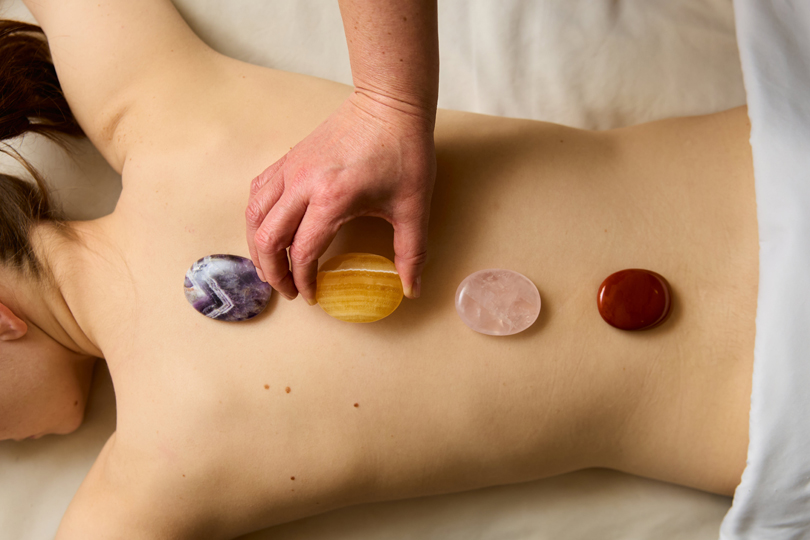
All that second-guessing starts to show up in your actions. You choose different clothes. You map out bathrooms without thinking. You hesitate, just briefly, before saying yes to certain plans. You’re still living your life, but with small adjustments layered in. You still do everything you normally would, but you’re also rethinking a walk in the park, a couple’s massage with your partner or dancing at your cousin’s wedding. It’s not limiting, exactly—it just means you’re moving through your day with a bit more uncertainty and intention than before.
6. The silence can make it feel bigger than it is
For something so common, it’s not exactly group chat material (although it should be). Which means it can feel isolating—until someone brings it up. And when they do, almost immediately, there’s recognition. Relief. A sense that maybe this isn’t as niche as it felt five minutes ago. This is when the narrative starts to shift. Just talking about it, whether with your friends or with your doctor, can make it feel more manageable and far less isolating.
7. There are ways to make it easier
Once you know what’s happening—that hormonal shifts during perimenopause are behind it—the focus reframes confusion to practicality. For some, that means paying more attention to pelvic floor health. For others, it’s about having a reliable backup so you’re not thinking about it all day. That’s where Poise Bladder Leak Pads—Ultra Thin, Liners and Pads—come in, offering a simple way to feel a little more comfortable, protected and at ease in your routine.
8. It’s more manageable than it feels at first
Bladder leaks might not be the most talked-about part of perimenopause, but they’re far from unusual. Small adjustments, like pelvic floor exercises or using everyday protection like Poise, can make a big difference. Because much like finding the right eyebrow wax or discovering adult pimple patches, these things get easier the moment we stop treating them as something to be embarrassed about. They simply become a layer of reassurance you don’t have to think about once they’re in place. And that shift matters more than you might expect.
9. Support doesn’t have to be complicated
The goal isn’t to overhaul your life. It’s to feel comfortable living it. Because these changes are linked to hormonal shifts during perimenopause, the right kind of support—whether for light or heavier leaks—can help you feel more in control without overthinking it. Much like dry shampoo, sunscreen, seamless shapewear, or that serum that somehow took seven years off your face, bladder leak pads are simply practical. They offer comfort, ease and a way to make your day feel a little more effortless. And the benefits go beyond absorbency and dryness, too. They let you move through your routine as usual, whether you’re rushing to get out the door or swapping your pyjama top for a cute sweater and a layer of lip gloss before a 9 am Zoom call.
10. The goal is simple: not having to think about it
Over time, it becomes less about solving something and more about easing your mental load. And trusting your body again—at yoga, brunch, the nail salon. It’s the freedom to move through your everyday routine without second-guessing your body. That ease—that quiet confidence—is the point. And that confidence adds up, too. Because bladder leaks during perimenopause aren’t a personal shortcoming. They’re a normal part of a body in transition. Choosing support isn’t about hiding it; it’s about showing up for yourself in ways that feel good. And, maybe, even talking about it over girl dinner.
This post is sponsored by Poise, but the opinions are our own.