
Unless you’ve been living under a rock, you’ve likely noticed we are in the era of the incredible shrinking woman and I don’t mean the 1981 Lily Tomlin movie of the same name – shout out to my fellow Gen Xers. No, in a truly toxic turn of events, we have regressed back to the early 2000s diabolical diet culture, to a time when women like Jessica Simpson and Britney Spears were called “fat” with reckless abandon, when Nicole Richie was Paris Hilton’s “chubby” sidekick – until, of course, she wasn’t and she and Lindsay Lohan were dubbed the “Skeletwins” after both losing a concerningly significant amount of weight, and when being skinny was the ultimate goal. Now, more than two decades later, after years of “body positivity” we find ourselves right back in this dystopian diet hellscape and cacophony of calorie counting where thin is, once again, in. For proof, look no further than the insidious rise of a Machiavellian movement called Skinnytok. If somehow your algorithm and timeline have mercifully been spared content from creators like Liv Schmidt who extol the moral virtues of being thin with “advice” like “skinny IS the outfit” or “eat small to be small” then you’ve probably noticed a disturbing amount of mainstream celebrities who have been rapidly diminishing in size. Not to name any names but the trend has been nothing short of wicked if you’re picking up what I’m putting down.
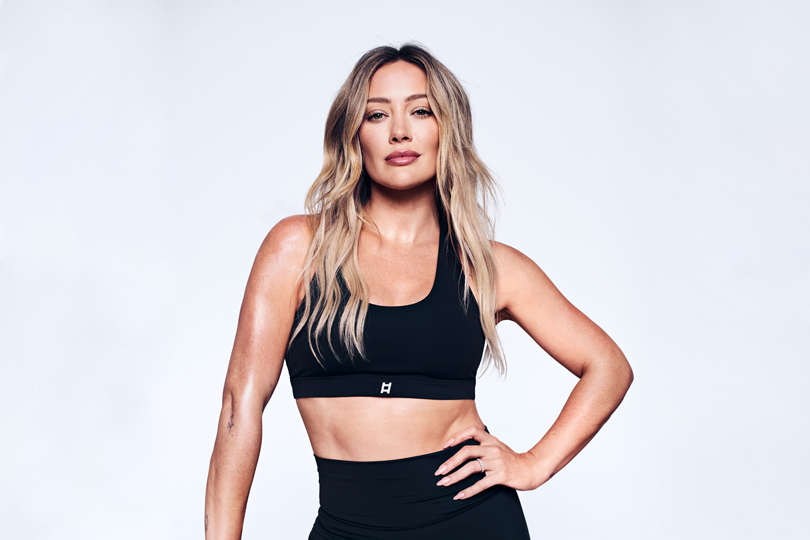
That’s why it was such a breath of fresh air recently when actress/singer, and herself a former victim of the aughts diet culture, Hilary Duff, announced she had partnered with the fitness training app Ladder, sharing her own fitness story and her focus on strength training. The campaign came with a full page advertisement in the New York Times declaring “Stronger Not Smaller” a veritable counter strike, if you will, to what we’ve been seeing on red carpets and in media, both traditional and social, as of late.
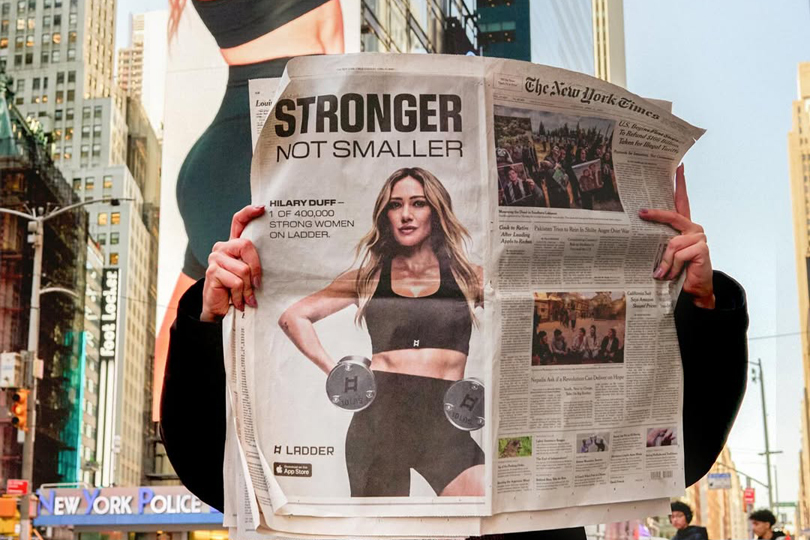
In a recent red carpet interview celebrating her inclusion in Time magazine’s 100 Most Influential People of 2026, Duff said the campaign is a natural fit for her. “I obviously grew up during that time when all of us were trying to disappear and be waifs and that’s not natural for my body or for most of our bodies,” she said. “So stronger, not smaller is a huge, impactful statement that resonates with me. I am strong and I do have muscles,” she added. “I used to be embarrassed by my strength and I just don’t need to anymore.” In an Instagram post, Ladder explained its partnership with Hilary Duff (or should we say, Hilary Buff) is all about “bringing attention to the benefits of strength training to the millions of women who are still intimidated to take up space in the gym, or worried that they need to get smaller to fit in.”
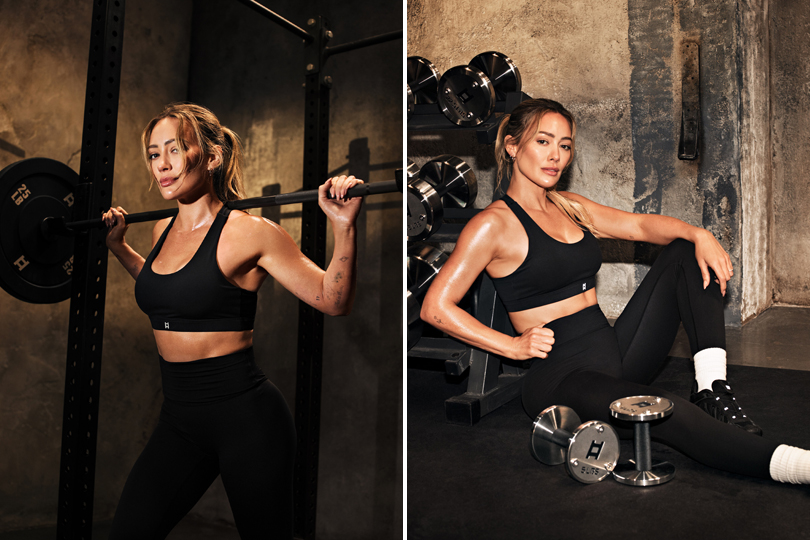
While there’s certainly been a shift in how women view weightlifting in recent years, some still fear they’ll “get big” or “bulk up” thereby preventing them from picking up dumbbells. As someone who has prioritized lifting for more than six years, believe me when I say, the sheer amount of steely determination required, not only in the gym, but with regard to nutrition, required for a woman to “get big” is monumental and doesn’t happen without extreme intention. It’s akin to avoiding taking up running for fear of accidentally becoming as fast as Usain Bolt. But that fear does still exist for many women. Duff once included herself in that demographic but now views that thinking as “so yesterday.” “For years I avoided the weight room and thought that lifting makes you bulky or overly muscular,” she says in a Ladder press release. “Like many women, I did a lot of cardio and viewed working out as the way to stay fit. Years ago my training shifted more to strength training, and everything changed for me – how I feel, how I move, how I sleep, how I perform in every area of my life.”
Indeed, the benefits of strength training are plentiful and multifaceted. If you don’t want to take Hilary Duff’s word for it, perhaps The Mayo Clinic can convince you. The highly respected, top ranked medical centre concludes that strength training and weightlifting increases bone density, reducing the risk of osteoporosis, helps increase metabolism, protects your joints from injury, contributes to better balance, reducing your risk of falls, as well as helps manage chronic conditions such as arthritis, heart disease, diabetes, and depression. Some research also suggests regular strength training and exercise may help thinking and learning abilities in older adults. When it comes to women in particular, the benefits of strength training may also include longevity. A recent study by the Journal of the American Medical Association suggests weightlifting may add years to the lives of women aged 63 and older. Meanwhile,
The American College of Obstetricians and Gynecologists reports that strength training has long-term benefits for women in perimenopause, menopause, and beyond including reducing the risk of age-related cognitive decline like Alzheimer’s Disease, lowering risk of certain cancers, and increased mobility just to name a few.
On the flipside, the dangers and detriments of undereating or disordered eating are just as prolific. The Centre for Addiction and Mental Health, or CAMH, Canada’s largest mental health and teaching hospital reports they include bone thinning, brittle bones, low blood pressure, heart damage, brain damage, infertility, gastrointestinal issues and multiorgan failure among others. The Acute Center for Eating Disorders and Severe Malnutrition reports the impacts of food restriction include neurological complications like brain fog and brain atrophy, musculoskeletal complications like osteopenia and osteoporosis, and cardiovascular complications like hypertension or catastrophic arrhythmias. And those are just the health complications associated with focusing on being smaller, don’t even get me started on the patriarchal, misogynistic, and extreme right wing implications associated with the movement because that, my friends, is a whole other piece for another day.
While we may currently be inundated with images of the famous and the frail, the skinny and the slight, make no mistake, focusing on being small over being strong, on being miniscule over being muscular eventually comes with a price, a very steep one, and it’s often a cheque our bodies, particularly women’s bodies, simply cannot cash. And speaking of cash, these incredible shrinking celebrities may have a ton of it, but while they can buy themselves a new face to make them look younger, or Ozempic to make them thinner, they cannot buy back bone density and can’t order cognitive ability via overnight delivery even in our current late stage capitalism nightmare. And on that note, let’s not be naive here, money and the making of it, is absolutely the primary goal of the subscription-based Ladder app, but while the intention behind their “Stronger Not Smaller” messaging may not be entirely altruistic, it’s still very worthy of our attention. If Hilary Duff is the reason a woman decides to pick up dumbbells for the first time in her life, setting her on a path of better health, longevity, and an increase in overall quality of life, then I quote Duff herself when I say that’s “what dreams are made of.”
Trending
 The ELIE SAAB X H&M Collection Includes The Most Romantic Bridal Look
  10 Memorable Images Of Supermodel Gia Carangi (1960–1986)
  THE STORY OF: Madonna’s Iconic Jean Paul Gaultier Cone Bra
  20 Celebrities Who Posed For Abercrombie & Fitch Before They Were Famous
  Fragrance Of The Month: The 7 Virtues Blackberry Lily