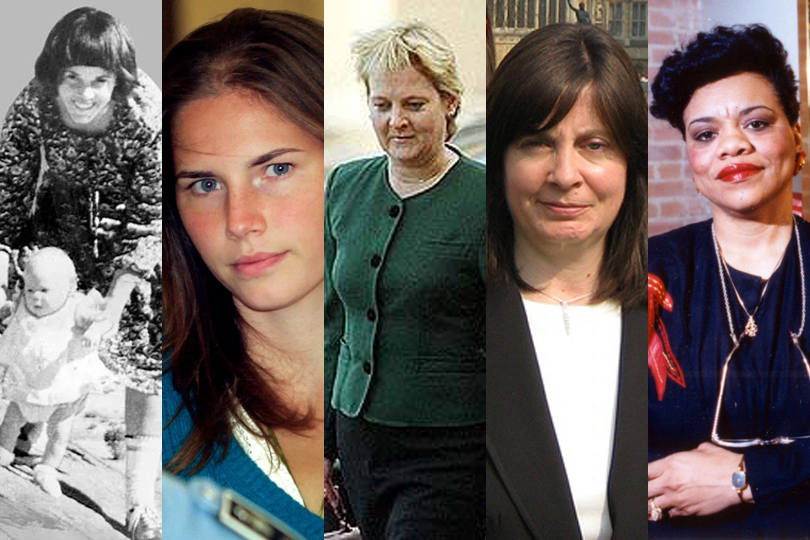

Capital punishment has existed for centuries, but women have historically been far less likely than men to receive the death penalty. According to the Death Penalty Information Center, 18 women have been executed since The U.S. Supreme Court reinstated the death penalty in 1976, accounting for a little more than 1% of total executions.
The stories behind these cases often reveal troubling patterns. Many women sentenced to death have histories of mental illness, domestic violence, sexual abuse and childhood trauma that aren’t taken into account during sentencing. Gender stereotypes can also play a role, with prosecutors sometimes using women’s sexuality, relationships and perceived failures as mothers to shape how juries view them.
For women facing the death penalty, it’s hard not to imagine whether they are being treated fairly within a justice system largely shaped by men. The following five women were convicted of horrific crimes, but the question remains: did they deserve the death penalty?
Christa Pike
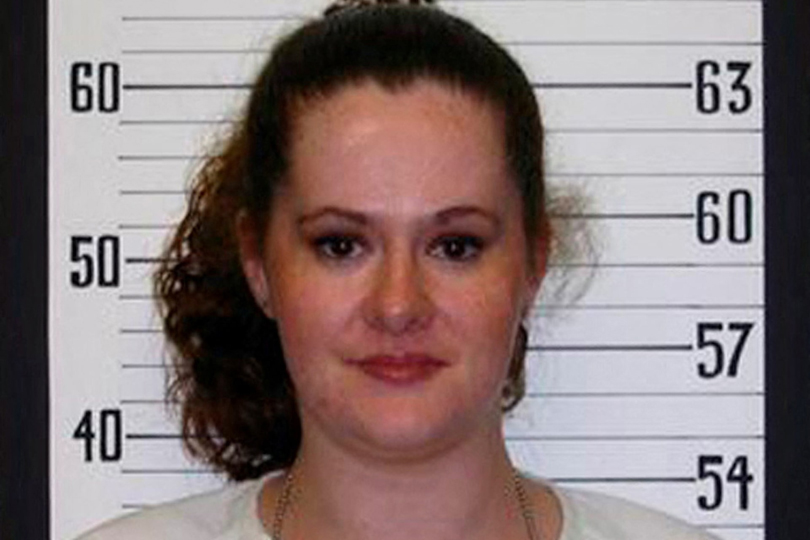
In January 1995, Christa Pike and two other teenagers lured 19-year-old Colleen Slemmer to a wooded area where they tortured and murdered her. Pike received the death penalty for the murder and an additional 25-year prison sentence for conspiracy. She was the only one of the three involved to receive a death sentence.
As the only woman in the state of Tennessee on death row, Pike was forced to spend decades in solitary confinement in a maximum security prison, while men facing the same sentence are able to interact with the other men on death row. Pike appealed her conviction and sentence, arguing, among other things, that she had received ineffective legal representation and that her history of severe childhood abuse and trauma should have been considered during sentencing. She had the support of several human rights organizations who vocally fought for her sentence to be commuted. Her appeals were unsuccessful, and her execution was set for September 30, 2026. She would be the first woman executed in the state of Tennessee in over 200 years.
On September 30th, the state attempted to execute Pike by lethal injection. After two doses of pentobarbital, she was still breathing and was eventually rushed to hospital in critical condition. She regained consciousness several days later and was discharged back to prison. Pike is the first person to survive an execution attempt after lethal drugs have been administered. The state is currently seeking a review of what happened while Pike’s lawyers continue to fight to have her sentence commuted. Her future remains uncertain.
Lisa Montgomery
In December 2004, Lisa Montgomery murdered 23-year-old Bobbie Jo Stinnett, who was eight months pregnant at the time. Montgomery entered Stinnett’s home, strangled her, and cut her unborn baby girl from her abdomen. The baby survived and Montgomery attempted to pass her off as her own. She had been telling her family she was expecting for months even though she’d undergone a tubal ligation years early. Montgomery was arrested the following day and confessed. In 2007, a federal jury convicted her of kidnapping resulting in death and unanimously recommended the death penalty.
Her case became controversial because of her extensive history of childhood abuse, sexual violence and severe mental illness. Medical experts identified brain damage, bipolar disorder and other serious psychiatric conditions. Her lawyers argued that she had been experiencing a psychotic episode when she committed the crime and that her original defence team had failed to adequately present evidence of her trauma and mental state to the jury. More than 1,000 former prosecutors, advocates and mental health professionals reportedly supported calls for clemency. Critics argued that following through with Montgomery’s execution raised serious questions about the treatment of mentally ill defendants.
Despite all this, Montgomery was executed by lethal injection at the federal prison in Indiana, on January 13, 2021. She became the first woman executed by the U.S. federal government in nearly 70 years.
Christina Marie Riggs
Christina Riggs was only 28 when she faced execution in 2000, 3 years after killing her two children, 5-year-old Justin and 2-year-old Shelby. She attempted suicide after but survived and was convicted of murder in 1998. During sentencing, she prevented her lawyers from arguing for a lighter sentence and she also waived all her rights to appeals and requested execution, saying she wanted to be reunited with her children.
Riggs had a history of childhood sexual abuse and severe depression. Despite her lack of interest in her own case, several psychiatrists testified that she was mentally ill and unable to appreciate the wrongfulness of her actions. The ACLU of Arkansas and the Arkansas Coalition to Abolish the Death Penalty appealed directly to the Governor of Arkansas for clemency or a reprieve. Amnesty International also raised concerns about her mental health and the fairness of both the trial and sentencing her to death. Her lawyer argued that executing her was akin to state-assisted suicide.
Riggs was executed by lethal injection on May 2, 2000 only two years into her sentence, becoming the first woman executed in Arkansas in more than 150 years. She was 28 years old at the time, making her the youngest woman to be executed in the modern era. Her case brings up the question of whether someone who is severely mentally ill and suicidal can truly make an informed decision to waive their right to fight for their life.
Karla Faye Tucker
23-year-old Karla Faye Tucker and her accomplice Danny Garrett attacked and killed Jerry Dean and Deborah Thornton with a pickaxe during a burglary in Houston, Texas in 1983. After a five week investigation, Tucker and Garrett were arrested and charged. They were tried separately and both convicted of capital murder and sentenced to death.
While on death row, Tucker became a born-again Christian. She expressed remorse for the murders and became an advocate for prison ministry and rehabilitation. Her religious transformation attracted international attention, and she even had the support of Pope John Paul II. Tucker’s supporters believed that she had become a “new person” and no longer deserved to pay for her crime with her life because she did not pose a danger to society..
Tucker spent eight years requesting retrials and appeals. Her lawyers and supporters raised concerns about her traumatic childhood, drug addiction and the adequacy of her original legal representation. Tucker asked for her life to be spared because she was on drugs at the time of the murder, claiming it never would have happened if she was sober.
Despite the international campaign for clemency, Tucker was executed by lethal injection on February 3, 1998 at 38-years-old. She was the first woman executed in Texas since 1863 and only the second woman executed in the United States since the death penalty was reinstated in 1976. Tucker’s case raised questions about what rehabilitation might look like for those convicted of violent crimes, and who gets to judge if someone’s life still has value.
Aileen Wuornos
Aileen Wuornos was a Florida sex worker who killed at least six men between 1989 and 1990. She was convicted of murdering Richard Mallory in 1992 and later pleaded guilty or no contest to five other murders, receiving six death sentences. Wuornos had a deeply troubled childhood, experienced abuse and spent much of her adult life homeless and struggling financially. She also struggled with undiagnosed mental illness and psychiatric evaluations during her trial identified personality disorders, including borderline and antisocial personality disorders.
Throughout her trial and years on death row, Wuornos changed her story multiple times. She initially portrayed herself as a woman who killed men to survive repeated sexual violence, but later admitted that she had deliberately robbed and murdered them and the self-defence story was a lie. She also became religious and claimed she wanted to come clean and make peace with God.
In her final years, Wuornos increasingly expressed a desire to die, firing her lawyers and voluntarily abandoning her appeals. She said she deserved execution and claimed she would kill again if released. There were concerns about her mental health, but psychiatric evaluations only explored whether Wuornos understood that she had been sentenced to death and that the execution would kill her. It did not establish that she was free of serious mental illness or that her decision to abandon her appeals was psychologically sound. Ultimately, it didn’t matter and Wuornos was executed by lethal injection in Florida on October 9, 2002, aged 46.
RELATED:
Share
Trending
 Miley Cyrus Embraces Elegant Bridal Minimalism
 2026 Holiday Beauty Gift Guide: The Best Beauty Gifts To Shop This Season
 2026’s Bold Jewellery Trend Is Influencing Celebrity Engagement Rings
 10 Memorable Images Of Supermodel Gia Carangi (1960–1986)
 Here’s Every Song From ‘Love Story: John F. Kennedy Jr. & Carolyn Bessette’ [UPDATED]