
By Elio Iannacci

Carly Rae Jepsen is officially done with situationships. Falling into romantic rabbit holes—trying to decipher red flags, spot catfishes, or trek through the trenches of toxic masculinity—is off her bingo card. As is decoding gaslighting or “ghostlighting” DMs from exes popping back into her life.
This course correction stems from four major life shifts: deleting dating apps in 2022, prioritizing what she calls “her journey to self-worth,” marrying music producer Cole M.G.N., also known as Cole Marsden Greif-Neil, last year, and welcoming their son, Ilya (a name inspired by Heated Rivalry), in March.
All this change, backed by Jepsen’s sparkling synth-pop catalogue, reads as a buildup to her current state of peak joy. Earlier sounds surged on distinct milestones: the breathy euphoria of “Warm Blood,” the chaotic burst of “Cut To The Feeling,” the electric charge of “Party For 1,” and the disco sheen of “Shy Boy.” Now, her newest work takes that familiar, nostalgic thrill and upgrades it.
Her eighth studio album—the recently released double disc Day and Night (expanded to 32 tracks on Oct. 8)—fully echoes this recalibrated perspective, capturing the wholesome energy of a newlywed without falling into the cringey “ick” that can blind a love-struck pop star (think Jennifer Lopez’s floptastic This Is Me…Now). But would we expect anything less from the British Columbia-born talent?
Jepsen has always maintained her cool while using her platform to take a stand. From cancelling a Boy Scouts performance over their anti-queer policies, to subverting pop tropes in the video for her global mega-hit “Call Me Maybe,” she’s never been a pop star who swerves towards the performative when it counts. Throw in the fact that she had Molly Ringwald and Rufus Wainwright sing at her wedding, alongside casting Alden Ehrenreich and Olivia Washington in her “Don’t Leave Me On The Dancefloor” video, and it’s clear she is in a lane of her own. Naturally, Broadway came calling—and it wasn’t a maybe—enlisting her to co-write the musical adaptation of 10 Things I Hate About You with Girls creator Lena Dunham. While full details on that big-stage pivot remain vaulted until the premiere next August, Jepsen sat down with 29Secrets to unpack the romance and raw inspiration shaping her new Day and Night era and just-announced North American tour.
If Day and Night had a mood board, what would be the first few images on it?
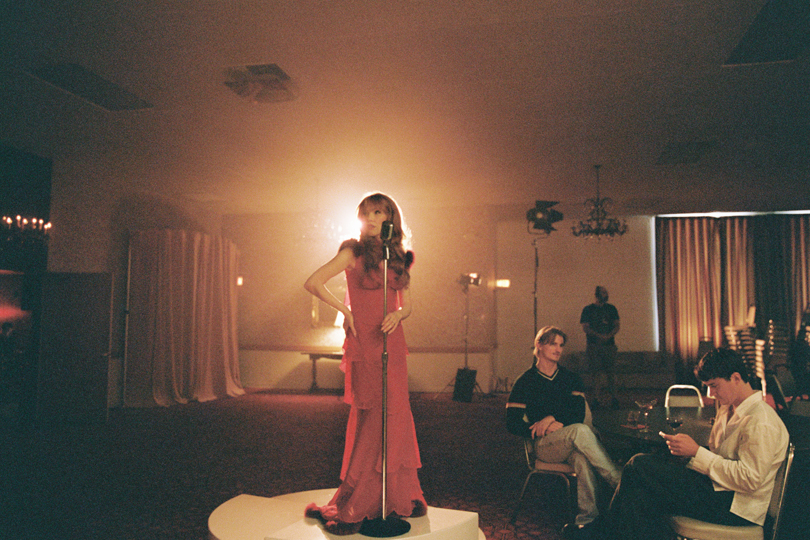
For the Day side, a photo of a trench coat with wind and movement adding grit and organic texture. For the Night side, I wanted it to feel experimental sonically. Visually, it was about colours and textures. In a museum, there’s sometimes an immersive experience room surrounded by screens and soundscapes. I wanted Night to feel like entering that room, where you’re surrounded by a bubble bath of visuals and sensory experiences. Another image I kept bringing to my team was a curtain blowing in an open window, catching a breeze from the Amalfi Coast. We ended up using an opening curtain when presenting the ballet sequence for “After All,” which acted like an anchor.
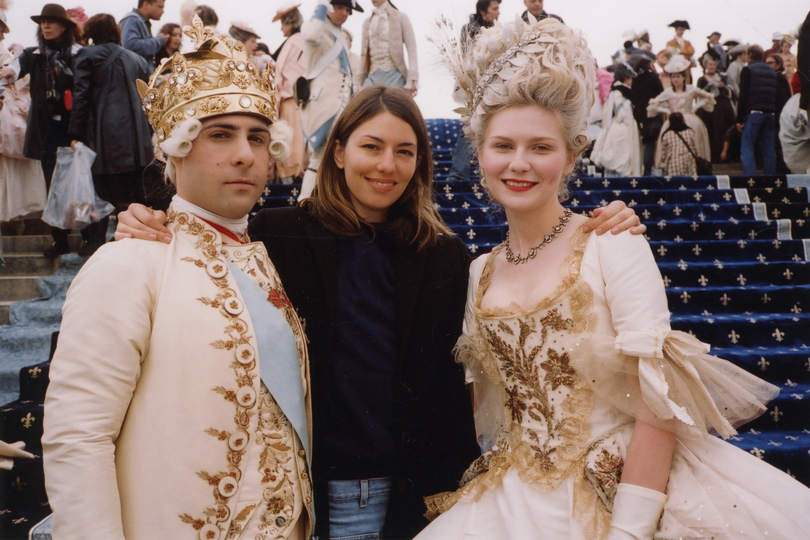
Sofia Coppola’s film, Marie Antoinette, is celebrating its 20th birthday this year. How did the movie play into your song, ‘Versailles’?
Right before I wrote it, I went on a month-and-a-half-long vacation with my boyfriend-at-the-time, now-husband [Cole M.G.N.]. I was staying at the Grand Hotel in Sweden and the movie happened to be playing on the hotel TV. I was immediately drawn to the concept of indulgence. To me, it’s not about having all the riches in the world.… It’s about sleeping in all day, running naked through the garden, and having time alone with the person I love. The ultimate luxury was about shutting off the world. When I went into the studio, I talked about the movie and the fact that Versailles was one of the stops on our upcoming trip. I wanted to capture that pleasure-seeking energy that Marie Antoinette knew so much about.
There are so many allusions to places on the album, like all the California landscapes in ‘Burning Heart.’ How did geography take over the making of so much of this music?
I wrote ‘Burning Heart’ in Sweden, but in my imagination, it lives in the California hills because of the Thelma & Louise feel—the idea of taking your lover and running off into the canyon. The entry point for that song was seeing a photograph of Cole as a teenager when he had really long hair. The opening line—‘You should let your hair down’—came directly from looking at that picture. It was about the idea that we could have a personal renaissance together, feeling the excitement of a brand-new love after both experiencing heartbreak and loneliness.
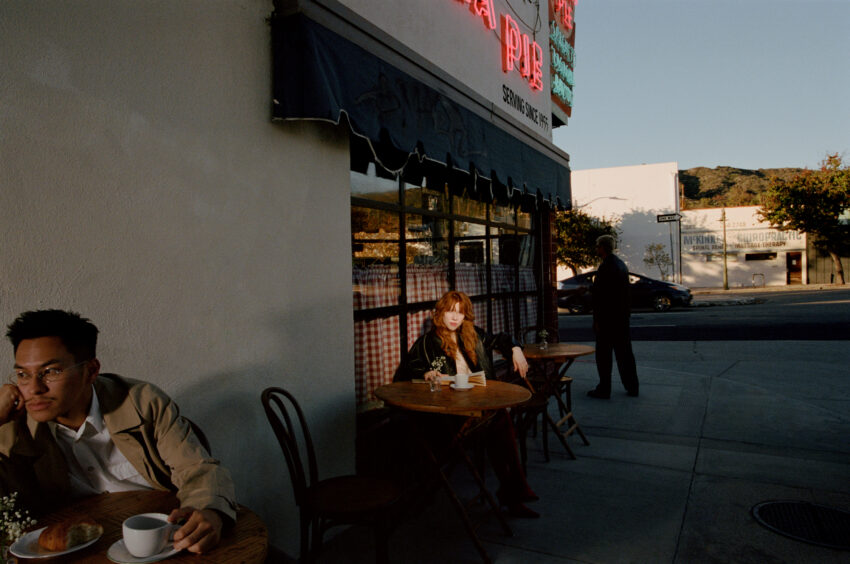
The track ‘Amalfi Coast’ also feels inspired by your own past travels. Was it?
Oh yeah. It’s a reflection of a previous meaningful relationship from my youth. We remained friends for a very long time, but I wanted to revisit him in my imagination with some perspective and offer an apology. It ended because we had two different ideas of how we wanted to live our lives. After that breakup, I took a solo journey to the Amalfi Coast and imagined him there with me, having a final goodbye dance. It happened because I wanted a breakup song that felt beautiful rather than sad—that sentiment of ‘I’m glad our lives met, and I’m glad you’re going your way while I go mine.’ Years later, when we were just friends, we took a little three-day trip to Lisbon together. We would acknowledge that it was likely the last time we’d see each other. It wasn’t sad; it was poetic.
Do lyrics from that track—specifically ‘lean into an olive branch’ and ‘on the cliff of a precipice’—reflect your creative process?
Yes. My relationship to how a song is formed relies on an energy of trying to remain open to the universe, to conversations, or to a movie playing in a hotel room the night before. It’s about taking what is offered to you as an observer and running with it. Some of my favourite songs have come from a good talk with a friend who accidentally said something profound.
When was the last time a chat turned into a track?
‘No Labels I Love You.’ It’s one of the first songs Cole and I wrote together. One of our co-writers mentioned that he had accidentally told a girl he was casually hooking up with that he loved her when they hung up the phone. It was funny because they had this strict ‘no labels’ agreement. I thought, ‘No Labels, I Love You—that’s a fun idea for a song.’ It’s about having all these rules to keep things cool, but you’re actually catching feelings hard.
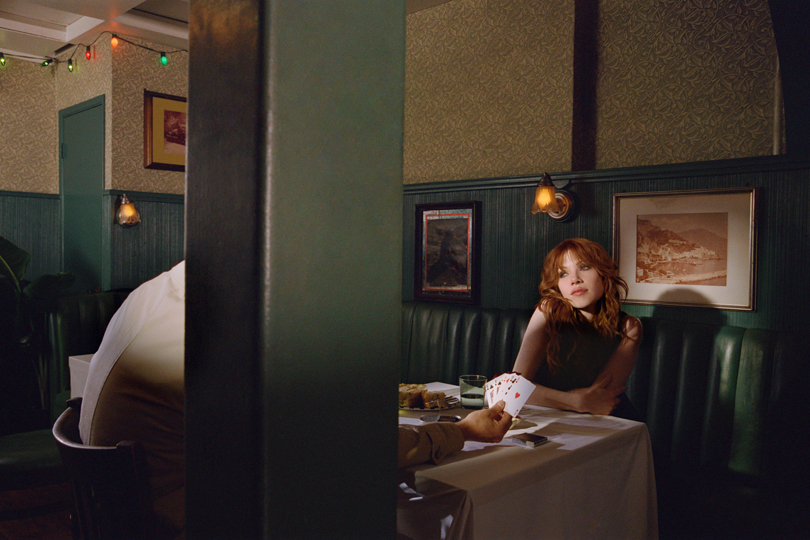
What do you do when you are out of ideas, and what would you say has been the weirdest inspiration you’ve had?
I journal a lot and collect ideas. I have a ‘cookie jar’ of concepts to pull from if a session feels dry. When writing, I’m always looking for my entry point. Once I have that, we’re off to the races. For the strangest motivation? For a period, I went on a dating app. I was single and lonely, and even though it was completely against my romantic nature, I tried to see if I could bring a romantic energy to it. I went on three dates. There was one gentleman who seemed lovely. He ended up inviting me to his beach house in Malibu, but added, ‘Just so you know, I also have a girlfriend.’ I was retelling the story to my sister, laughing, and realized I should write a song about the horrific experience of online dating. It turned into the most tongue-in-cheek, ridiculous song ever—which is ‘Beach House’ [off 2022’s The Loneliest Time album].
What was the last piece of art, film, or book that sent you down a creative rabbit hole?
Now that I have my son, our routine means we’re usually trying to put him down and then heading off to bed by 8:30 pm. To avoid having phones by the bed, my husband and I read a lot with little nightlights. I’m a huge Haruki Murakami fan. I’ve experienced a lot of loneliness throughout my years on the road—spending endless nights in hotel rooms across different cities—and Murakami’s writing felt like a companion through all of that.
‘Hold Me to the Light’ dives into that feeling of being alone. What did you have to process to arrive at that song?
Grief has visited my life, and I’ve experienced traumas that I have unpacked in my music—sometimes metaphorically or lightly. A hard part of going through difficult times is the shame that can wrap around it, or the feeling that you can’t unpack it with anyone. For me, true intimacy requires full, complete truth, and this song was my way of expressing that.
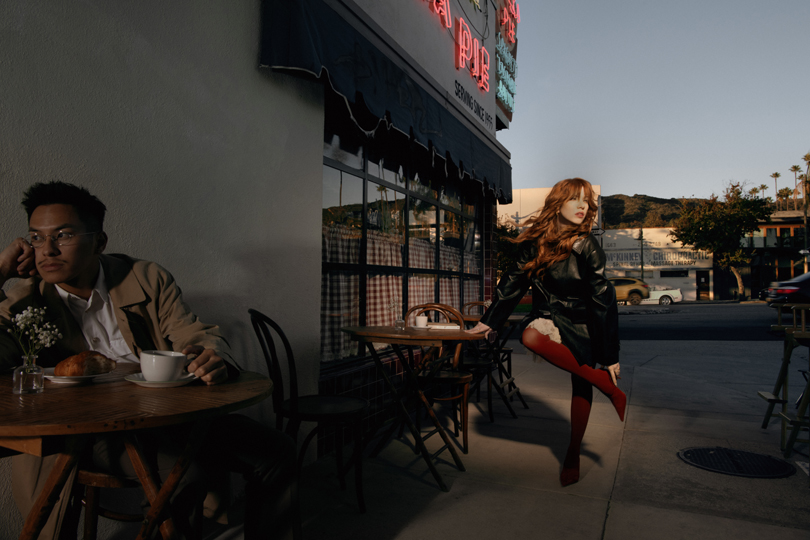
It’s rare for pop music today to explore non-toxic or uncomplicated love. Why go there?
I started reflecting on how few pop songs are based on the excitement of domestic bliss. Usually, pop songs imply that once you get married or settle down, it gets boring or ends in heartache. I wanted to explore: Can a relationship be healthy, stable, and still exhilarating?
A certain lyric off ‘Patience Power Passion’—‘I saw myself today and I was never one / To think that I was beautiful’ — is so hard to skip over without reflecting on it. How does it apply to you?
Self-acceptance is always such an ongoing journey, but the healing energy I’ve experienced by seeing myself through my partner’s eyes has been wild. I’m the person who does a show, and while everyone is celebrating, all I remember are the mistakes. It’s a mentality I’m trying to release as I get older. Perfectionism makes you forget about embracing your wins. I’m trying to put energy into walking offstage and focusing on how wonderful it felt, rather than being critical. And, yeah, instead of looking in the mirror, I start dancing. I owe a lot of that to my partner. He has a beautiful way of looking at the world, art, and people. He doesn’t see flaws as imperfect, but as human. That song is an ode to what his presence has helped me want for myself. He can’t change how I feel about myself, but he offers a different perspective.
Are you riskier with your fashion choices now than you were at the beginning of your career?
At the beginning of my career, I didn’t know how to define what was stylish versus just picking things I was attracted to. When ‘Call Me Maybe’ broke out, I was 26, and the label found me hard to pin down. They wondered, ‘Is she the girl next door? Is she cute? Is she sexy?’ Back then, coming off the era of groups like the Spice Girls, the industry forced artists to pick a single lane.
I was overwhelmed by that demand. I felt like I was all of those things. I knew what I wasn’t comfortable with—like getting super naked, because I didn’t want that to overshadow my songwriting. But I was open to trying things because I didn’t have a clear vision yet. I have realized I’m allowed to be all of those things and have different opinions. Today I might want one look; tomorrow I might love another. I can confidently create a vision without feeling like it needs to stay static.
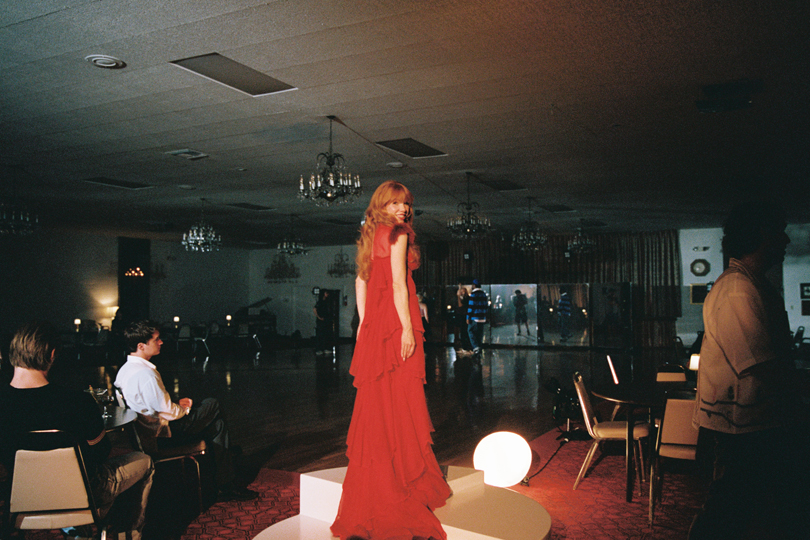
What point in your career gave you the most freedom to define how you presented yourself?
The most liberating thing I’ve ever done visually was showing up to a music video shoot nine months pregnant for ‘After All’ and deciding to just bear it. Instead of hiding behind a coat like I did for ‘Western Wind,’ we decided to have a party and embrace being pregnant.
There are a thousand think pieces on Madonna right now, talking about her MTV performance. Looking ahead, what does artistic reinvention mean to you as you think about the future stages of your career?
It’s really clear to me: my dream is a career that mimics something along the lines of what James Taylor’s has been. When he’s touring, he’s with musicians who respect him, who’ve been in the game with him for years of his life. He’s got his mighty following. You show up as a James Taylor fan, you know his songs and how they affect you on an emotional level. It’s like going to church. We feel connected after seeing him and I don’t know his age but it’s always a healing, joyful experience for me. If I can offer that to anybody who wants to come to my shows later on in life, and touring with my friends, and my family’s there—that’s my goal. My thinking doesn’t directly go to how do I reinvent or stay relevant. It’s much more about I keep feeding a community that has been supportive—in an honest way.
RELATED:
Trending
 10 Memorable Images Of Supermodel Gia Carangi (1960–1986)
 20 Actors You Probably Forgot Appeared On ‘Gilmore Girls’
 How Anna Wintour’s First Vogue Cover Revolutionized Fashion
 ‘Project Runway Canada’ Seamlessly Struts Back With New Season
 Here’s Every Song From ‘Love Story: John F. Kennedy Jr. & Carolyn Bessette’ [UPDATED]