

By Alison McGill
When Formula One driver Sir Lewis Hamilton announced the death of Roscoe, his 12-old English Bulldog this past September, sharing the immense grief he felt on the passing of his cherished canine was a moment that made the world stop and take note.
A few days before Roscoe’s passing, global racing superstar Hamilton announced he would be missing a Formula 1 event due to Roscoe’s declining health. A few days later, Hamilton announced to his 41 million Instagram followers Roscoe had lost his ongoing health battle with a raw, gut-punch of a tribute to his dear companion.
“After four days on life support, fighting with every bit of strength he had, I had to make the hardest decision of my life and say goodbye to Roscoe,” Hamilton wrote in the caption of the carousel post featuring photos of his beloved Roscoe. “It is one of the most painful experiences and I feel a deep connection to everyone who has gone through the loss of a beloved pet. Although it was so hard, having him was one of the most beautiful parts of life, to love so deeply and to be loved in return.”
In the days following, Hamilton’s tribute to Roscoe became a massive talking point in how we present and process death and grief, more specifically pet loss, often dismissed as a lesser experience than human loss. If you have been through it, you know this fact to be wildly untrue. The death of a pet is profound grief experience that hits exactly the same, sometimes even harder, because our pets deliver unconditional love and know us as our most authentic selves.
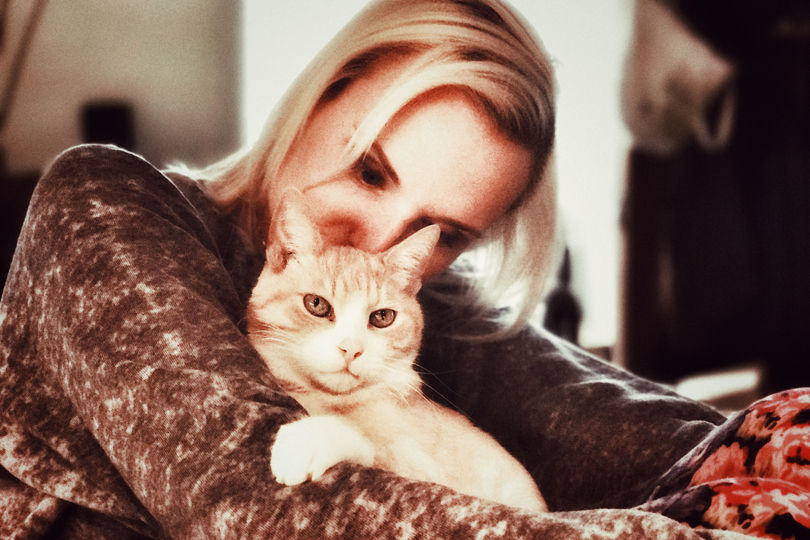
“For many people, their companion animal relationship is the most intimate and loving in their life,” says Beth Bigler, an internationally renowned pet loss grief counsellor who works globally with patients seeking support, enlightenment, and empowerment during their grief journey. “The physicality and proximity, the understanding, the loyalty of a pet is something that is unmatched. Who else is so woven into our daily joys, sorrows, and laughter than our beloved animals?”
Bigler, who has also written the book Honoring Our Animals: 365 Meditations for Healing After Pet Loss ($26 at amazon.ca), shares pet loss can be uniquely complicated because it’s completely disenfranchised. “When someone’s spouse dies, people show up with casseroles. When someone’s beloved animal transitions, they’re told to ‘get over it’ or ‘just get another one.’ Many guardians also face the devastating choice of euthanasia, becoming responsible for timing their beloved’s death. This creates layers of complexity which rarely exist with human loss.”
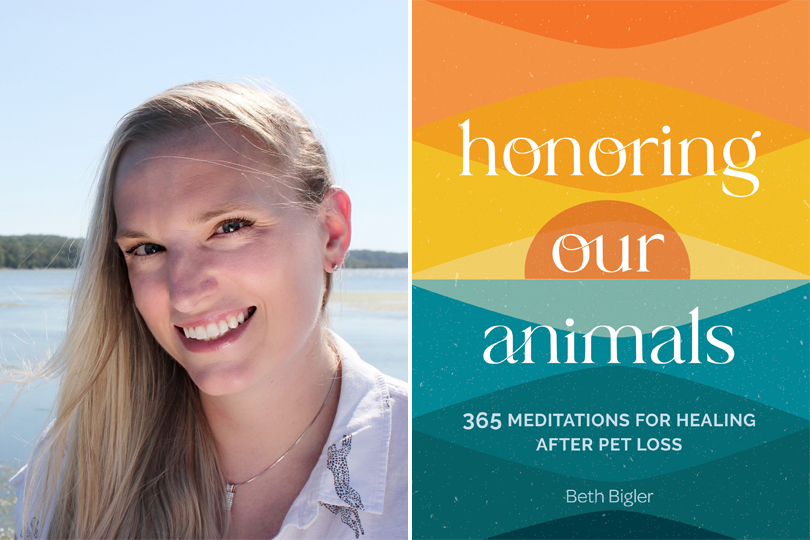
Read on for more of Bigler’s expert insights into pet grief, coping, and why there should never be guilt surrounding the thought of bringing another animal into your life after loss.
Why is pet loss often brushed off as insignificant, and are you seeing a shift in this mentality?
“I think it comes down to outdated beliefs about animals being ‘less than’ or replaceable. Animals are often viewed as property rather than family. And because the relationship doesn’t fit into traditional categories that society recognizes, the grief gets minimized or ignored. Do I see this changing? Yes.
Every day I hear stories of how people are beginning to show up for each other in this kind of grief. More workplaces are offering bereavement leave for pet loss. More therapists are getting trained in animal companion grief. The conversation is shifting, and we’re seeing that reflected in how publicly people are talking about it now.”
Do you think celebrities publicly speaking about about their experience with pet loss and grief is helping the conversation?
“When someone with a platform says ‘I’m devastated’ or ‘I can’t stop crying’ it gives permission to millions of people who’ve been told their grief is too much or doesn’t matter. I spent 20 years in Hollywood as a development executive and producer, and I still work with high-profile people now as a grief counselor. Their grief looks the same as everyone else’s. For many public figures, their beloved was the one who knew them before the spotlight. That relationship connects them to their most grounded self, and losing it feels destabilizing. What complicates things is visibility. Public grief comes with scrutiny. There’s pressure to look polished when what’s needed is privacy and space to fall apart. The more visible this grief becomes, the harder it is to dismiss. It tells people their grief isn’t silly or excessive.”
For those impacted by pet loss, how do you move forward and honour your pet?
“We don’t move on. We move with. The relationship doesn’t end, it changes. Our bond continues without the physical body. I view my grief as a friend and teacher. It takes time to get to know your grief and even befriend it, but grief can help you continue your bond with your beloved. I suggest small, personal rituals that carry the relationship forward. Lighting a candle and talking to your beloved like they’re sitting right there. Writing them letters. Continuing their birthday celebrations. Wearing their collar as a bracelet. One client makes their beloved’s favorite meal every month and sits with their photo. Another plays the song that always made their dog’s tail wag. We lean on the gifts and teachings of our beloveds.”
How do you handle conversations with people who just don’t comprehend the realness of pet loss?
“There’s a widespread lack of grief literacy in our culture. Most people don’t know how to be with their own grief. We live in a death-phobic culture that avoids grief altogether. Grief hierarchies still shape expectations. There’s an unspoken belief that grief for a human matter more than grief for an animal. So how do you handle it? Not every comment warrants a response. Silence can be powerful. If it doesn’t feel supportive to spend time around people who are dismissive of your loss, skip it. One of the reasons I wrote my book is so that a griever can feel validated, honored, and supported in their grief every single day of the year. And if you’re someone who doesn’t understand this kind of grief? You don’t need to get it. Just nurture this loss like you would if it were a human loss.”
The idea of welcoming another animal into your lives after loss often comes with guilt. Your advice for navigating this reality?
“You can release that feeling. Adopting another animal doesn’t mean you’ve forgotten your beloved. The unique bond you share is irreplaceable and remains a part of you. Guilt often arises from the thought change and newness means forgetting. But bringing another animal into your life doesn’t diminish the love and memories of your previous companion. Adopting again is a testament to your capacity for love. It reflects your desire to honor your transitioned pet’s legacy by providing a loving home to another animal in need. Your new family member is not a replacement, but an addition to the love you’ve enjoyed.”
Trending
 Here’s Every Song From ‘Love Story: John F. Kennedy Jr. & Carolyn Bessette’ [UPDATED]
  10 Memorable Images Of Supermodel Gia Carangi (1960–1986)
  A Short History Of ‘George’: John F. Kennedy Jr.’s Magazine That Was Ahead Of Its Time
  Alexander McQueen’s 10 Most Iconic Runway Shows
  THE STORY OF: Carolyn Bessette-Kennedy’s Narciso Rodriguez Wedding Gown



















One Response
its all the unhealth cat food that everyone feeds cats and dogs, wish manufactors made healthy food to keep pets healthy , the food in cans and packages is so harmful after a while to pets and their kidneys