

By Michele Yeo
If you were around in the late ‘90s, chances are you were bombarded with advertisements touting the life-changing benefits of “the little blue pill” – the cutesy nickname for Viagra, a revolutionary new medication that helped men overcome sexual performance issues. United States Senator Bob Dole even took to the primetime airwaves to sing the praises of the drug in an appearance on Larry King Live. Chances are just as likely that you have no idea that another drug, a little pink pill if you will, exists which has a similar life-changing effect on women suffering from low libido.
A new documentary, The Pink Pill: Sex, Drugs & Who Has Control shines not only a light on the existence and benefits of that drug – clinical name flibanserin – but lifts the curtain on the years-long process to get it approved by the Food and Drug Administration in the US. To say the process was a frustrating one is the definition of an understatement.
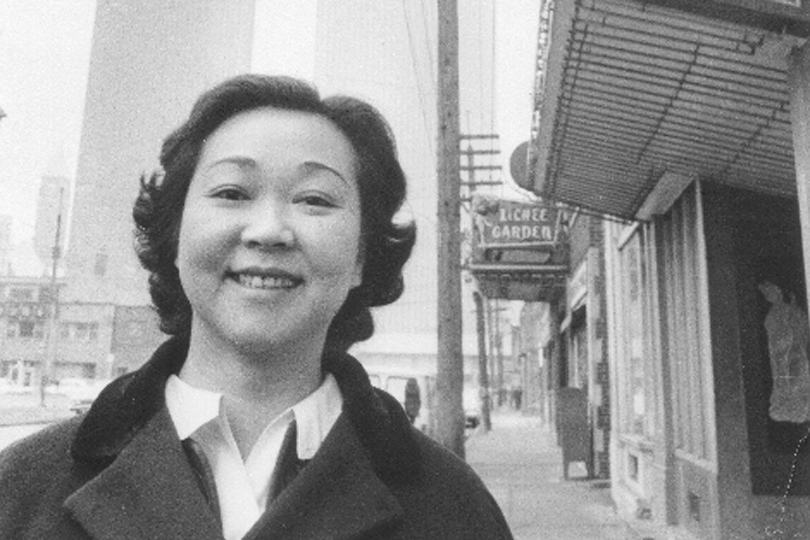
29Secrets sat down with the documentary’s director Aisling Chin-Yee as well as Cindy Eckert, the tenacious pharmaceutical executive whose dogged determination lead the charge to get it approved, to chat about the journey’s countless roadblocks, many fuelled by sexism, paternalism and a general apathy about women’s health, especially sexual health, in particular.
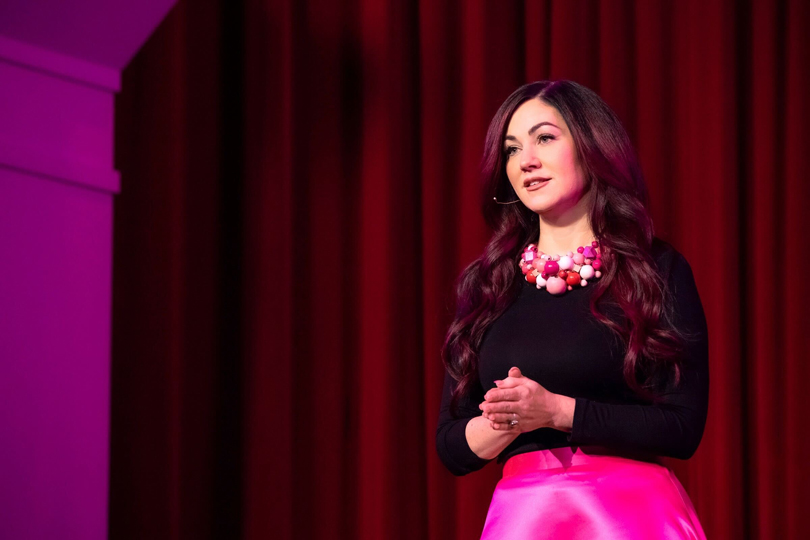
“I was like, oh my god, how come I haven’t heard about this drug?” said Chin-Lee in our interview. “And wow, this woman, she lived this crazy cinematic story, trying to get this drug for women’s sexual dysfunction approved and, you know, had all the highs and lows of trying to move through a system that is very resistant to change …that’s like catnip for me as a storyteller.” Eckert, who with her signature pink attire has been called a mix of Erin Brockovich and Elle Woods, didn’t immediately jump on the opportunity to tell her story. “Really, it was just my own inability to go back and relive it because it was painful, because it was so lopsided and because I had to, through that whole time, put on the pink armour, and look forward to progress. But I’m so grateful now that I had such a brilliant woman who said, you know, you really have to go to the past to break the future open. And that’s what I see when I watch the film.”

Much like how Viagra’s sexual dysfunction benefits were discovered by accident while Pfizer was looking for a treatment for angina, flibanserin’s origin story was as a remedy for depression when it showed promise as a treatment for Hypoactive Sexual Desire Disorder (HSDD) in women -sparking neurotransmitters in the “sex centre” of the brain. But, unlike Viagra which was fast tracked by the FDA in 1998, immediately becoming one of the most prescribed drugs, the process of getting flibanserin in women’s hands was anything but smooth. Eckert purchased the drug in 2011 for five million dollars and named it Addyi after Dr. Addison Grey, Eckert’s favourite character on Grey’s Anatomy. Fitting since the road to approval would prove almost as dramatic and long-running as the medical drama itself.
Eckert got a taste of the pushback to come when, in her first meeting with the FDA, one man asked, “what do we need a bunch of horny women running around for?” And when she questioned why the drug fell under the urology division of the FDA, when, unlike Viagra, Addyi works on the brain’s neurotransmitters, not on the sex organs, she was told the urology division “reviews all the sex drugs.” When Eckert responded with, “yes, that’s because that’s because they’ve all been for men,” she says that’s when she knew she “stepped in it” and could “feel the energy of the room change.”
Eckert assumed the extensive clinical research on the drug would speak for itself in, after all, “science cures bias,” as she says in the doc, but what Eckert didn’t prepare for was just how deep that bias runs. “I really didn’t,” she reflected in our interview. “Do I know that culture treats men’s and women’s health differently? Of course I did. But also the nerdy data-driven part of me said, this is just science. This is just clinical trials and evidence. And to be met with so much opinion and subjectivity instead of objectivity was quite shocking to me.”
What followed was a years-long struggle during which, at one point, women from all over the country made their way to the FDA hearings to share their vulnerable and intimate stories of how the drug helped them. “I think the real problem, the hangup is that we have been, we’ve given ourselves immense permission to dismiss women as everything they’re dealing with is just in their head and not that important,” said Eckert in our interview. “That was the double standard and the unfairness that I was living every single day here.”
Even when the drug was finally approved in 2015, the struggle was not over. After Eckert sold Addyi to another company, the new owners made it nearly impossible for women to get their hands on it. Eckert and her team, who were supposed to stay on with the company to develop a women’s health franchise were let go while black box warnings of the drug’s relatively minor side effects dissuaded pharmacies from carrying it. Pharmacists who did special training in order to sell it. Then, the price of it was hiked, all but ensuring it would stay inaccessible to women. Eckert tells the doc she was “never more depressed in her life” then having won the battle for approval only for Addyi not to get a proper launch. It’s worth noting at this point there were 26 medications on the market for male sexuality issues.
Eckert eventually bought back Addyi and it’s now available to women including here in Canada. As for what kept Eckert motivated through the multi-year process, she told 29Secrets, “when the facts are on your side, you stick with it. And so I was, it really became a calling to me going through this. And for all of those women who so bravely showed up and revealed their most intimate challenges and struggles to make a difference for, you know, the next gen and the next gen and the next gen to never have to do this again.”
There’s a point in The Pink Pill where someone says, “the single biggest crisis in women’s health is that you are not taken seriously.” It’s hard to argue with that while watching it and also watching the real life clawbacks to women’s reproductive health and choices that have transpired since Addyi was approved.
Director Chin-Yee hopes people will see a need for films like The Pink Pill in the current climate. “There’s an urgency in this time to have films that are deep diving into these types of issues, into women’s issues and into the issue of sex, desire, pleasure, because in what’s getting rolled back on women’s rights, that conversation is buried under the very important conversations about the loss of reproductive rights, to access to proper healthcare, to so many things that are life threatening,” she said, adding, “so because we have to deal with all of those conversations and all of those like rights being stripped away, we lose the conversation about pleasure and desire and bodily autonomy and agency, but they are all interconnected.”
The Pink Pill: Sex, Drugs and Who Has Control is now streaming on Paramount + Canada.
Trending
 The ELIE SAAB X H&M Collection Includes The Most Romantic Bridal Look
  10 Memorable Images Of Supermodel Gia Carangi (1960–1986)
  THE STORY OF: Madonna’s Iconic Jean Paul Gaultier Cone Bra
  20 Celebrities Who Posed For Abercrombie & Fitch Before They Were Famous
  Fragrance Of The Month: The 7 Virtues Blackberry Lily